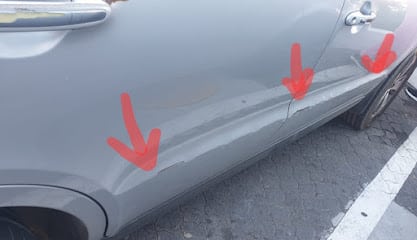
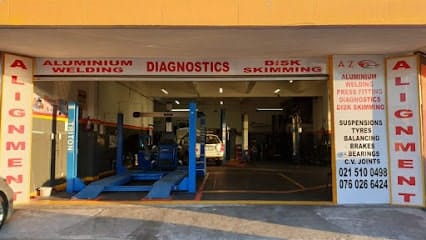
Razor Autobody is a Auto repair shop establishment in Cape Town, Limpopo, South Africa
Cape Town
Limpopo
South Africa

Sorry, no records were found. Please adjust your search criteria and try again.
Sorry, unable to load the Maps API.
Auto Repair Shop Services in Cape Town, Limpopo, South Africa
Auto repair shops in South Africa offer a broad range of services designed to maintain safety, reliability, and vehicle performance. In regions spanning Cape Town and Limpopo, customers commonly access facilities that cater to everyday needs such as routine servicing, diagnostic checks, and preventative maintenance, alongside more specialised repairs for newer and older models alike. The emphasis tends to be on practical, transparent handling of issues, with emphasis on honest assessments and clear communication about what is required to restore or optimise a vehicle’s condition.
Routine servicing forms the backbone of most repair operations. Regular service intervals cover essential inspections, oil and filter changes, fluid level checks, and minor adjustments. Mechanics will typically verify components such as belts, hoses, air filters, and brake fluid while recording wear indicators and mileage. A service helps identify developing problems before they escalate, reducing the likelihood of unexpected breakdowns. Customers can often choose between a standard service and a more comprehensive major service that includes additional checks on safety-critical systems and wear items.
Diagnostics and electrical work are a common feature of contemporary repair shops. Modern vehicles rely on onboard computer systems to manage engine performance, transmission, emissions, and comfort systems. A diagnostic scan can reveal fault codes that point to sensors, actuators, or wiring issues. Technicians may perform live data monitoring, electrical resistance tests, and component replacements where necessary. While some work is straightforward, others require specialised equipment and expertise. In many cases, diagnostic findings guide the need for parts replacement, software updates, or both.
Brake and suspension services are routinely offered to maintain roadworthy standards. Brakes may be inspected for pad and disc wear, fluid condition, and hydraulic integrity. Suspension checks often assess shock absorbers, springs, steering components, and alignment. Tyre services, including rotation, balancing, and alignment, help optimise grip and tyre life while enhancing steering response. A typical approach involves initial inspection, followed by recommendations that balance safety, performance, and cost considerations.
Engine work covers a wide spectrum, from cooling system maintenance to more involved repairs. Common tasks include radiator checks, thermostat replacement, water pump service, and thermostat-related cooling system repairs. Engine performance issues such as misfires, rough idle, or reduced power may prompt fuel system cleaning, injector service, or air intake inspections. Transmission and clutch services, where applicable, address slipping, harsh gear changes, or abnormal noises. It is standard practice for workshops to provide an assessment, outline the scope of work, and supply a transparent quotation before commencing.
Additional services frequently available include air conditioning maintenance, electrical system checks, exhaust repairs, and preventative corrosion protection. Some shops offer basic vehicle data logging for fleet owners or vehicle health checks to provide customers with a clearer picture of upcoming maintenance needs. While the specific capabilities vary by workshop, customers generally benefit from a welcoming reception, clear estimates, and the ability to discuss options for genuine versus aftermarket parts, warranties, and potential residual value after repairs.
Practical considerations for customers include the provision of a clear drop-off and pick-up process, the availability of courtesy vehicles or loan options where feasible, and written estimates with itemised labour and parts. Shops typically advise on lead times given the vehicle’s condition, parts availability, and current workshop workloads. In all cases, attention to safety, adherence to local regulations, and respect for consumer rights are central to the service experience, ensuring that vehicles returned to the road meet expected standards of reliability and performance.