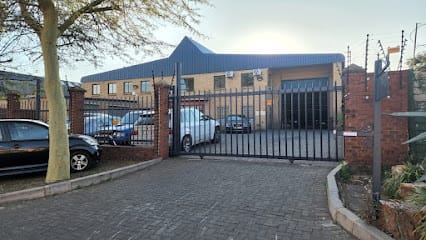
Auto Technique is a Vehicle repair shop establishment in Johannesburg, Gauteng, South Africa
Auto Technique: Vehicle Repair and Diagnostic Services in Johannesburg
Auto Technique operates as a vehicle repair specialist serving Johannesburg and the surrounding Gauteng area. Described by customers as knowledgeable and experienced, the workshop is noted for its practical approach to diagnosing and fixing vehicle faults, with a focus on clear communication and cost‑effective servicing. The business earns frequent praise for handling both common electrical issues and more intricate mechanical problems, often resolving faults quickly and efficiently.
Several customer reviews highlight the team’s ability to identify root causes rather than applying quick fixes. For instance, issue discoveries such as non‑functioning reverse lights were traced and remedied within a short timescale, with customers highlighting the affordability of the solution relative to the quality delivered. This emphasis on thorough problem solving appears to be a hallmark, with technicians taking time to verify symptoms and confirm the fix before declaring a job complete.
Electrical and sensor-related concerns are a recurrent theme in the feedback. Experiences cited by clients include resolving crankshaft sensor errors by starting with broader checks to rule out simple causes, then moving to targeted replacements or adjustments. The willingness to explain the work performed and the rationale behind decisions is frequently mentioned, and several reviews point to the staff’s ability to communicate technical details in accessible terms. This suggests a customer experience centred on transparency and educational guidance alongside repair work.
Trust and reliability are recurring threads in the client narratives. Long‑standing customers describe Auto Technique as a dependable partner for ongoing vehicle maintenance and repairs, with many noting continued patronage over several years. The tone of reviews conveys confidence in workmanship, with several accounts emphasising neat, professional results and a commitment to getting things right the first time. While most comments are highly positive, a minority of feedback notes variability in service speed, illustrating that like many independent workshops, capacity and workload can influence turnaround times.
From the available observations, the typical scope of work includes diagnosing electrical faults, addressing sensor errors, and performing general mechanical repairs. The team is portrayed as highly knowledgeable about a broad range of vehicle systems and prepared to undertake non‑routine or tricky issues, often going the extra mile to ensure the vehicle operates reliably after service. The clientèle appears to value practical, structured service that combines expert assessment with reasonable pricing.
Requests generally begin with a vehicle inspection or diagnostic assessment, followed by a consultation in which the technicians explain findings and recommended actions. Pricing is described as affordable relative to the high standard of workmanship, with emphasis on achieving effective, lasting solutions. The practice of detailing what work is required and why is a notable aspect of the customer experience, helping owners understand the value and implications of the repair or maintenance plan.
Auto Technique is positioned within the Johannesburg automotive repair landscape as a respected option for privately owned cars and family vehicles. The business appears to serve a local clientele that values high‑quality diagnostics, transparent communication, and dependable results. The combination of hands‑on expertise and a focus on customer education contributes to a reputation for trustworthiness and practical problem‑solving.
Practical tips for customers considering Auto Technique include arranging a clear appointment time and requesting a preliminary assessment to identify potential simple causes before proceeding to more involved work. It can be helpful to ask for a written explanation of the diagnosis and a breakdown of costs and timelines. Owners should consider keeping records of all maintenance and repair histories to assist the technicians in diagnosing evolving issues, particularly in older or high‑mileage vehicles. When visiting, bringing relevant vehicle documentation and a concise description of symptoms can streamline the diagnostic process and support a faster resolution.
Auto Technique’s local focus and the supporting reviews suggest a service experience that blends technical proficiency with customer‑facing clarity. For residents and visitors in Johannesburg and the broader Gauteng area seeking electrical diagnostics, sensor repairs, or general mechanical fixes, the workshop presents a practical option grounded in years of hands‑on experience and a demonstrable commitment to value and reliability.
- Main services offered: electrical diagnostics, sensor fault repairs (e.g., crankshaft sensor), general mechanical repairs, and targeted fix‑ups informed by thorough diagnostics.
- Typical job types: electrical faults, engine sensor issues, and routine maintenance or repairs for common passenger vehicles.
- How requests usually work: vehicle inspection and diagnostic assessment, followed by a clear explanation of findings and recommended actions, with pricing described as affordable and work performed with attention to lasting results.
- Tips for customers: request a diagnostic first, ask for a step‑by‑step explanation of findings, obtain a written quote, and discuss expected turnaround times to manage expectations.
Johannesburg
Gauteng
South Africa
Sorry, no records were found. Please adjust your search criteria and try again.
Sorry, unable to load the Maps API.
Vehicle repair services in Johannesburg, Gauteng
Vehicle repair shops in Johannesburg, Gauteng, operate within a bustling automotive marketplace that serves a diverse range of drivers, from daily commuters to fleet operators. The services offered are shaped by a mix of urban driving conditions, local traffic patterns, and the presence of older and newer vehicle models on South African roads. Typically, workshops combine diagnostic capabilities with mechanical, electrical, bodywork, and routine maintenance functions to keep vehicles safe and roadworthy.
Customers should anticipate a structured process starting with an initial assessment. Many workshops begin with a diagnostic check to identify fault codes and likely causes. This may involve on-site scanning tools, visual inspections, and discussions about reported symptoms such as unusual noises, handling changes, or warning lights. Based on the findings, a repair plan is presented, outlining the necessary work, estimated time frames, and a transparent price range. In busy periods, shops may offer a triage approach to address urgent issues first, while non-critical services are scheduled for a later slot.
Core services commonly available at Johannesburg repair shops include:
- Routine maintenance and servicing for petrol, diesel, and hybrid vehicles, aligned with manufacturer schedules or locally established intervals.
- Engine and transmission work, including tune-ups, component replacements, and repairs to powertrain systems.
- Brake systems upkeep, encompassing pad and rotor replacement, hydraulic repairs, and brake fluid testing.
- Suspension and steering services, addressing wear in shock absorbers, ball joints, and tie-rod components to preserve handling quality.
- Electrical and electronic diagnostics, covering battery testing, alternator and starter replacements, sensor analyses, and wiring repairs.
- Air conditioning and climate control maintenance, including refrigerant checks and compressor servicing to ensure passenger comfort and safety.
- Exhaust, emission, and fuel system repairs, aiming to restore performance and compliance with local regulations.
- Bodywork and cosmetic repairs for minor dents, scratches, and more significant collision damage, often coordinated with paint and refinishing services.
- tyre fitting and alignment services, including wheel balancing, puncture repairs, and advanced alignment adjustments where required.
Practical considerations for customers in Johannesburg include scheduling around peak traffic periods, securing vehicle access for extended diagnostic sessions, and understanding the potential impact of regional traffic on wear patterns such as brakes and suspension. Workshops typically request the vehicle’s service history if available, which helps in prioritising maintenance items and avoiding unnecessary work. In many cases, an upfront estimate or written quotation is provided, with clear notes on any additional work that may be required if initial assessments uncover further issues.
Safety, reliability, and compliance remain important priorities. Reputable workshops adhere to basic standards for vehicle safety, use quality parts, and provide warranties on workmanship or components where feasible. In the South African context, consideration may be given to parts availability, supplier options, and regional pricing, which can influence turnaround times and service choices. Customers are advised to inquire about parts warranties, labour charges, and any possible additional costs such as towing, diagnostic fees, or environmental disposal fees for old parts.
For fleets or businesses operating multiple vehicles, Johannesburg repair shops can often offer reliable scheduling, bulk service options, and coordination to minimise downtime. While the specifics of every operation vary, the general expectation remains: a clear diagnostic process, a transparent plan for repairs or maintenance, careful workmanship, and practical communication about timelines and costs. This approach helps motorists in Gauteng navigate urban mobility with confidence, ensuring vehicles meet safety standards and perform as required for daily use.