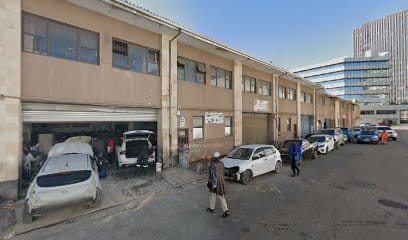
DEKRA Automotive Durban is a Car inspection station establishment in Durban, KwaZulu-Natal, South Africa
Durban
KwaZulu-Natal
South Africa

Sorry, no records were found. Please adjust your search criteria and try again.
Sorry, unable to load the Maps API.
Car Inspection Station Services in Durban, KwaZulu-Natal
In Durban and the wider KwaZulu-Natal region, car inspection stations provide a range of essential services aimed at ensuring vehicle safety, compliance, and maintenance. These facilities are typically equipped to handle routine assessments, diagnostic checks, and safety inspections for both private motorists and business fleets. The urban and coastal context of Durban means that inspection services often account for regional driving conditions, humidity, and road infrastructure when advising on vehicle upkeep and safety.
Many inspections focus on core safety elements. Front and rear braking systems, steering and suspension components, lighting, and tyre condition are commonly examined to verify that a vehicle meets minimum safety standards. Visible checks may be complemented by diagnostic processes to detect hidden faults that could affect performance or emissions. In Durban’s climate, inspection stations may also note weather-related wear patterns, such as corrosion from coastal air or salt exposure near harbour and coastal routes, and offer guidance on preventive maintenance.
Another important aspect is documentation and regulatory compliance. Vehicles presented for inspection are often required to have up-to-date registration documents and proof of ownership, along with an orderly history of servicing. Staff at these centres typically record observations, issue inspection notes, and, where appropriate, provide guidance on corrective action. The aim is to help motorists understand what is required to meet safety standards and, where applicable, how to address any faults efficiently.
In addition to safety-focused checks, many Durban stations provide ancillary services that support overall vehicle reliability. These can include:
- Emission or exhaust system assessments to identify excessive pollution or inefficiencies that may impact air quality and fuel consumption.
- Battery and electrical system tests to detect charging issues, faulty wiring, or failing components that could lead to breakdowns.
- Brake fluid and coolant checks, with recommendations for replacement intervals and proper maintenance practices.
- Wheel alignment and tyre condition assessments, including tread depth measurements and tyre pressure checks, to optimise handling and fuel efficiency.
- Full diagnostic scanning using appropriate equipment to uncover onboard fault codes related to engine management, transmission, or safety systems.
Customers should expect a practical and relatively straightforward process at a Durban inspection station. Upon arrival, staff typically verify the vehicle’s identity and the scope of inspection. A visual examination is often followed by functional tests and diagnostic checks as required. The turnaround time varies with the centre’s workload, the vehicle’s condition, and the breadth of the inspection package chosen. While some visits may be completed in a few hours, others could require longer if remedial work or re-inspection is necessary.
Practical considerations for Durban residents include planning around peak traffic hours and hot or humid conditions that can affect both vehicles and the inspection workflow. It is prudent to ensure the vehicle is clean and accessible, with keys, registration documents, and service records readily available. Drivers should be aware that certain inspections may trigger recommendations for repairs or replacements; arranging prior authorisation or a clear understanding of the costs involved helps prevent delays. For fleet operations, it is common to schedule regular inspections to support uptime and regulatory compliance, balancing the service cadence with fleet utilisation requirements.
Overall, car inspection stations in Durban, KwaZulu-Natal provide a structured approach to validating vehicle safety and performance while offering practical guidance on maintenance. The focus remains on safeguarding drivers, passengers, and other road users, alongside supporting responsible vehicle ownership in a regional coastal context.