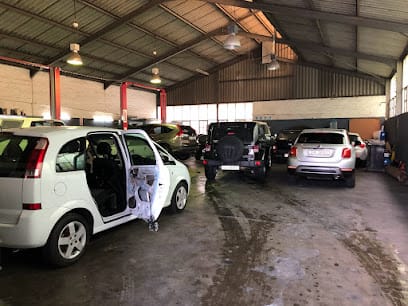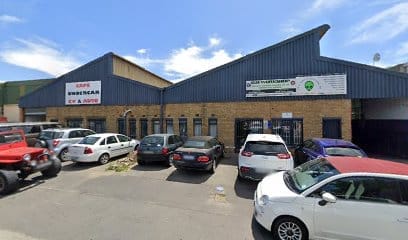
DELTA PANELBEATERS is a Auto body shop establishment in Strand, Limpopo, South Africa
Strand
Limpopo
South Africa

no-image
Sorry, no records were found. Please adjust your search criteria and try again.
Sorry, unable to load the Maps API.
Auto body shop services in Strand, Limpopo
Auto body shops in Strand, Limpopo provide a range of services aimed at restoring vehicles after collisions, wear or corrosion. The typical offering combines repair, refinishing and protective work to return a vehicle to its pre-incident condition while ensuring roadworthiness and cosmetic appeal. The emphasis is on accurate estimation, quality workmanship and timely completion to minimise disruption for motorists in the local area.
Common repair work includes cosmetic dent and scuff removal, panel beating to realign distorted body components, and the replacement or repair of damaged bumpers, closures and trim. When metal becomes damaged beyond repair, panels may be replaced with new or salvaged parts, subject to availability and vehicle type. For more extensive damage, body shops coordinate with insurers and suppliers to source appropriate components and ensure proper fit and finish.
Finishing services form a core part of the offering. Spray painting, colour matching and clear coating are employed to achieve a seamless appearance that blends with the vehicle’s original panels. The process typically involves surface preparation, priming, multiple coats of colour, and a final protective topcoat. After painting, technicians may undertake polishing and detailing to enhance gloss and evenness across repaired areas. In some cases, specialised finishes or textures are matched to adjacent panels to preserve the vehicle’s overall aesthetic.
Additional services commonly provided include windscreen and glass repair or replacement, alloy wheel refurbishment, and suspension or alignment checks when structural damage is suspected. Wheel alignment and balancing help to preserve handling and tyre wear characteristics after repairs. Some workshops offer mechanical checks or relate ancillary tasks such as air conditioning sanitisation, dent removal using modern techniques, or minor rust treatment to extend the vehicle’s lifespan.
Customers can expect a process that emphasises transparency and communication. Initial assessment involves a visual inspection and, where necessary, diagnostic checks to determine the extent of damage. An estimate is prepared that outlines required parts, labour, and the anticipated turnaround time. Once approved, work progresses through staged repairs, with updates provided on milestones or delays. At the conclusion, a final inspection ensures paint quality, panel alignment and functional integrity before the vehicle is returned to the owner.
- Initial assessment and damage appraisal
- Parts sourcing and order confirmation
- Disassembly and panel repairs or replacements
- Surface preparation and priming
- Colour matching, painting and clear coating
- Finishing, detailing and quality checks
- Reassembly and functional tests
- Handover and follow-up support
Practical considerations for customers in Strand include assessing workshop proximity, accessibility for drop-off and collection, and whether a loan vehicle or courier service is available during repair periods. Insurance administration plays a significant role in many cases, with some workshops able to assist in coordinating claims and providing documentation required by insurers. Warranty or post-repair guarantees may be offered on workmanship and paint quality, subject to terms and conditions.
Environmental and safety practices are increasingly important. Reputable shops adhere to material handling standards, disposal regulations for used parts and solvents, and measures to reduce emissions and waste. Space considerations, such as secure storage for parts and tools and clean, dust-controlled painting areas, contribute to safer operation and a higher standard of finish.
Overall, Strand’s auto body service providers aim to deliver practical, reliable solutions that restore vehicle appearance and functionality while minimising downtime. The most appropriate choice often hinges on the specific repair requirements, the availability of parts, and the competency and reputation of the workshop in handling similar makes and models.