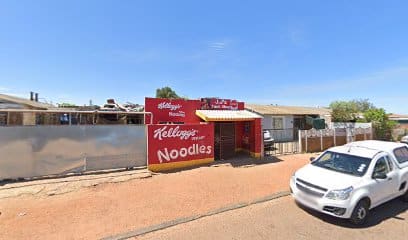
J.J’s Truck Shop is a Auto repair shop establishment in Cape Town, Gauteng, South Africa
Cape Town
Gauteng
South Africa
Sorry, no records were found. Please adjust your search criteria and try again.
Sorry, unable to load the Maps API.
Auto repair shop services in Cape Town and Gauteng
<pAcross Cape Town and Gauteng, auto repair shops provide a broad spectrum of vehicle care designed to keep cars, light commercial vehicles, and fleet units roadworthy. Shops operate at varying scales, from independent workshops to larger facilities, but common service offerings and processes form a familiar workflow for most customers. The emphasis is on safety, reliability, and practical turnaround times, with work typically carried out by qualified technicians who rely on diagnostic tools, standard repair procedures, and quality replacement parts.
<pKey services usually available include routine maintenance, diagnostic testing, and major repairs. Routine maintenance covers scheduled servicing, oil and filter changes, and visual inspections of vital components such as brakes, tyres, lights, belts, and fluid levels. Diagnostic testing uses modern equipment to identify fault codes and sensor readings, guiding technicians toward necessary repairs without unnecessary work. Major repairs may involve engine components, cylinder head gaskets, transmission systems, or drivetrain parts, depending on the fault and the vehicle’s age and condition.
<pBrakes are a common focus for motorists in busy urban and suburban areas. Shops typically offer brake pad and disc replacement, brake fluid servicing, and brake system inspections. Steering and suspension work, including shock absorbers, springs, and alignment, helps ensure handling and ride quality are consistent with the vehicle’s design. Cooling systems—radiators, hoses, water pumps, and thermostats—are frequently serviced to prevent overheating, a critical consideration in hot Cape Town summers and the high-traffic conditions of Gauteng.
<pElectrical and electronic systems have become increasingly central to modern vehicles. Services in this area include battery testing and replacement, alternator checks, starter motor diagnostics, wiring inspections, and fault-finding for infotainment or sensitive engine-management systems. Tyre services, including rotation, balancing, alignment, puncture repair, and tyre replacement, are standard offerings that support safety and fuel efficiency. Exhaust and emissions work may involve diagnostic checks, repairs, or replacements in response to performance concerns or regulatory requirements.
<pFleet and commercial customers often seek rapid turnaround and reliable servicing schedules. Independent workshops may offer flexible appointment times, after-hours drop-offs, and dedicated lanes for routine maintenance to minimise vehicle downtime. For private customers, most garages aim to provide clear estimates, transparent job cards, and explanations of recommended repairs, enabling informed decisions about what is essential versus optional work.
<pIn terms of practical considerations, customers should consider the workshop’s location and accessibility, especially in peak traffic zones around Cape Town’s city centre or Gauteng’s busy corridors. Availability of loan vehicles or courtesy transportation can be a determining factor for those with daily travel commitments. The proximity of a shop to home or work can influence convenience, while the use of genuine or high-quality aftermarket parts affects long-term reliability and resale value.
<pSafety and compliance are important in South Africa, with motorists sometimes needing to address roadworthiness requirements and vehicle documentation. Reputable garages maintain records of inspections, parts used, and service intervals, helping customers keep track of maintenance history. Honest communication about required work, cost estimates, and expected completion times helps build trust and reduces the risk of unexpected extra charges.
Customers new to a workshop in Cape Town or Gauteng can expect a professional intake process: describing the symptoms, providing the vehicle’s registration details, and receiving a preliminary assessment or diagnostic quote. After work approval, repairs proceed with continuous updates, and a final test drive or inspection confirms that the vehicle meets safety and reliability standards before collection.