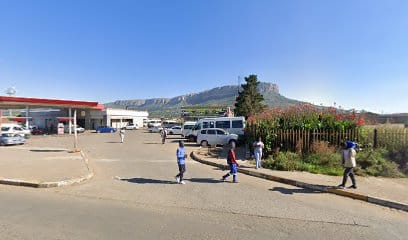
JRS Automotive Engineering is a Mechanical Engineering establishment in Phuthaditjhaba, Free State, South Africa
Phuthaditjhaba
Free State
South Africa

Sorry, no records were found. Please adjust your search criteria and try again.
Sorry, unable to load the Maps API.
Mechanical Engineering Services in Phuthaditjhaba, Free State
In Phuthaditjhaba, mechanical engineering services form a practical backbone for local industry, construction, and maintenance activities. The region’s economic mix often combines agricultural support, small and medium manufacturing, and regional infrastructure projects. Mechanical engineering professionals here typically deliver practical, hands‑on solutions that enable equipment to perform reliably, safely and efficiently, while addressing the specific conditions of the Free State, including variable temperatures, terrain, and resource availability.
Core services usually encompass design, analysis, fabrication, installation and ongoing maintenance. Clients may require assistance from concept through to commissioning and beyond. Typical engagements involve assessing existing machinery or systems, proposing improvements, and delivering tangible outcomes such as increased efficiency, reduced downtime, and extended asset life. Local engineers often integrate multidisciplinary knowledge, drawing on materials science, thermodynamics, fluid mechanics and structural considerations to tailor solutions for each site.
Common service categories include the following, reflecting the kinds of projects encountered in the region:
- Mechanical design and engineering analysis — creating drawings and specifications for new equipment or retrofits, considering load requirements, safety factors and compatibility with surrounding infrastructure.
- Prototyping, fabrication and installation — translating concepts into physical components, from metal fabrications to assemblies, with attention to quality, tolerance, and fit within existing spaces.
- Maintenance and reliability engineering — establishing planned maintenance schedules, monitoring wear, diagnosing faults, and implementing repairs to minimise unplanned outages.
- Plant and equipment optimisation — improving energy efficiency, reducing waste, and refining processes that involve pumps, conveyors, compressors, turbines and heat exchangers.
- Piping and fluid systems — designing and inspecting pipe layouts, fittings and containment to ensure safe and efficient transport of water, oil, gas or other fluids.
- Instrumentation, control and automation basics — integrating sensors, actuators and simple control strategies to improve process visibility and control without necessarily relying on advanced digital platforms.
- Thermal and energy systems — addressing heating, ventilation, air conditioning, and thermal management needs for facilities and equipment operating in regional climates.
- Structural and foundation considerations — ensuring equipment bases, supports and foundations meet load paths and vibration criteria for reliable operation.
What customers can typically expect is a collaborative, outcome‑driven approach. Initial consultations focus on understanding operational goals, available resources and site constraints. A professional assessment then follows, outlining practical options, estimated timelines and justifiable costs. Due diligence involves safety reviews, compliance with local regulations, and attention to environmental factors that may influence design choices or maintenance regimes.
In Phuthaditjhaba, practical considerations often include supplier lead times, availability of skilled technicians, and proximity to maintenance facilities. Engineers must balance ambitious performance targets with budgetary realities, ensuring that proposed solutions are technically sound and implementable within local conditions. For many projects, the emphasis is on durability, ease of maintenance and spare‑part accessibility, given the rural rail and road connections and the need to minimise downtime.
Ultimately, mechanical engineering services in this area aim to support productive operations by delivering robust designs, reliable equipment, and informed guidance on best practice maintenance. While the exact scope of work can vary, the underlying goal remains the same: to enable local businesses to operate safely, efficiently and with a clear path toward sustainable performance.