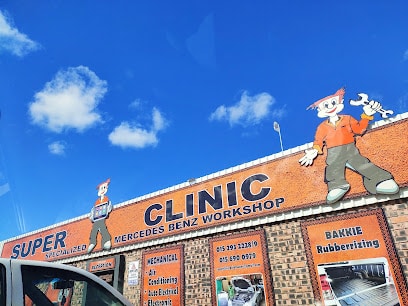
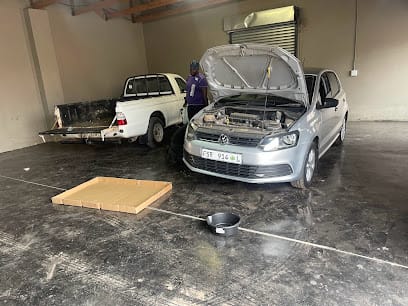
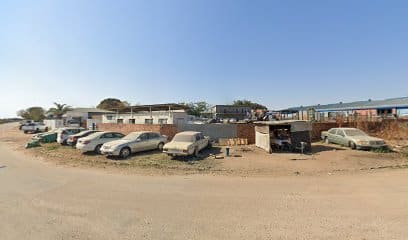
LIMTRUCK AUTO ELECTRICAL & DYNO CENTRE is a Truck repair shop establishment in Polokwane, Limpopo, South Africa
Limtruck Auto Electrical & Dyno Centre — Services and Customer Experience
Limtruck Auto Electrical & Dyno Centre operates as a vehicle repair and performance facility located in Polokwane, Limpopo. From its stated offerings, the centre specialises in automotive electrical repairs, diagnostic work, dyno testing and tuning, with an emphasis on practical, hands-on problem solving. The site describes a broad service scope designed to address a variety of needs for trucks and light utility vehicles, including maintenance support, electrical wiring issues and performance optimisation.
Key services disclosed on the business profile include comprehensive auto electrical repairs, dyno-based diagnostics and tuning, and general repair work. The centre indicates it can handle cross-border repairs on all makes and models, suggesting a capacity to service a diverse range of brands and systems. A notable feature highlighted is a 24-hour service offering, which implies a readiness to respond to after-hours or urgent situations, an important consideration for fleet managers and drivers operating in a time-sensitive environment.
Customer experience, as reflected in the available client feedback, appears to be a mix of consistently positive and occasional critical notes. Several reviewers praise the staff for friendliness, knowledge and willingness to go the extra mile, with statements noting fast problem identification and helpful, customer-oriented service. In particular, there are claims of high-quality workmanship, reasonable pricing, and staff who are described as well informed and accommodating. Positive feedback frequently references reliable results and a perception of dedicated support, emphasising customer satisfaction and the desire to help clients get back on the road quickly.
On the other hand, some reviews reflect concerns about attention to detail and parts availability. A critique mentions issues with wiring work and the perception that some concerns were not fully aligned with the client’s needs, highlighting the importance of clear communication and precise repairs. This suggests that for some customers, the outcome may hinge on the clarity of the brief and the thoroughness of the diagnostic and repair process, particularly in wiring and instrumentation.
Typical job types and industries
Based on the described capabilities, typical job types likely include:
- Auto electrical diagnostics and repairs for trucks, vans and diesel-powered vehicles.
- Dyno testing and tuning to optimise performance and efficiency.
- Cross-border or multi-brand electrical repairs requiring versatility across makes and models.
- Electrical wiring fault diagnosis and remediation, including ignition, lighting, and related systems.
- General mechanical and electrical repairs where electrical integration or ECU/controls are involved.
Industry focus appears oriented toward commercial vehicles and fleet support, with an emphasis on timely problem resolution and practical technical expertise. The inclusion of a 24-hour service is particularly relevant to fleets and operators that require uninterrupted availability or out-of-hours assistance during transit or loading activities.
How requests usually work
Information available on the site suggests a straightforward approach for initiating service requests. Prospective customers can reach out via email or via WhatsApp, reflecting modern, accessible communication channels. The inclusion of a contact email and a direct WhatsApp option indicates an emphasis on convenient initial contact, appointment coordination, and rapid information exchange. The presence of a Facebook page for ongoing offers suggests a strategy of keeping customers informed about promotions and service updates.
Requests likely involve sharing basic vehicle details (make, model, year, observed symptoms or faults), followed by scheduling a drop-off or on-site assessment, and then proceeding with diagnosis, repair or dyno work as required. Given the 24-hour service claim, some requests may be accommodated outside standard business hours for urgent cases, subject to the centre’s staffing and capacity.
Practical tips for customers
- Prepare clear symptom descriptions for electrical faults (timing, affected functions, any fault codes) to assist rapid diagnosis.
- Confirm whether a fault requires dyno testing or can be addressed through diagnostic work and targeted repairs.
- If accessing after hours, verify availability for the specific service needed, given the 24-hour service claim.
- Discuss potential parts availability in advance, especially for wiring components or consumables, to minimise delays.
- Consider leaving detailed contact information for updates on the repair status and expected turnaround time.
Hours and location
While exact daily opening hours are not explicitly detailed beyond a stated 24-hour service, the business profile implies readiness to assist around the clock. The centre is positioned in Polokwane, serving the Limpopo region, including nearby commercial operations and truck fleets that require reliable electrical and performance support.
Overall, Limtruck Auto Electrical & Dyno Centre presents itself as a practical, hands-on facility with a focus on auto electrical repair, dyno-based diagnostics and tuning, and cross-brand capability. The experiences shared by customers emphasise dependable service and technical competence, tempered by notes on the importance of careful communication and thorough, transparent repairs.
Polokwane
Limpopo
South Africa
Sorry, no records were found. Please adjust your search criteria and try again.
Sorry, unable to load the Maps API.
Truck Repair Shop Services in Polokwane, Limpopo
Polokwane, a key hub in Limpopo, hosts a range of truck repair facilities designed to support commercial fleets and independent operators alike. These workshops are typically equipped to handle both routine maintenance and more substantial mechanical or electrical repairs, reflecting the diverse needs of the trucking sector in northern South Africa. Customers can expect a practical, service-oriented approach centred on minimising downtime and ensuring roadworthiness.
Common services in Polokwane's truck repair shops cover preventive maintenance, diagnostics, and repair work. Regular maintenance visits often include engine oil changes, coolant checks, air and fuel filter replacements, brake inspection, and suspension checks. Many facilities follow manufacturer guidelines where possible, tailoring service intervals to the vehicle’s age, usage, and operating conditions typical of the Limpopo environment, which can involve dusty roads and frequent long-haul journeys. Diagnostic capabilities extend to electronic control units, engine management systems, and ABS functionality, with technicians using portable scan tools to identify faults before more extensive work is undertaken.
Repairs span a broad spectrum. Engine overhaul or repair, cooling system refurbishment, transmission and drivetrain service, and exhaust system work are common. Electrical issues, including lighting, alternator and battery replacements, wiring harness faults, and sensor malfunctions, are addressed by technicians trained to interpret fault codes and perform targeted fixes. Tyre services—inspection, balancing, alignment, and replacement—are integral, given the impact of road conditions and load on tyre wear. Some workshops offer on-site service for light-to-medium duties, while more substantial engine or structural repairs may require the vehicle to be towed to the workshop.
Fleet support and mobile facilities are a practical consideration for operators based in Polokwane. Many truck repair shops collaborate with fleet managers to schedule routine maintenance during planned routes, reducing unscheduled downtime. Mobile technicians may provide services at depots or roadside locations for urgent repairs, subject to site safety considerations and access to appropriate tools and parts. Emergency assistance is commonly available, particularly for batteries, fuel system faults, or hydraulic equipment failures that could jeopardise a vehicle’s immediate operation.
Part sourcing and supply chains in the region are influenced by demand, with some shops maintaining a stocked range of common consumables and spare parts. Access to specific components may depend on vehicle make, model, and year, and some repairs may require ordering items with a lead time. In the interim, temporary remedies or partial repairs may be pursued to restore essential operation while awaiting parts. Safety and compliance considerations are emphasised, including brake efficiency, steering integrity, lighting functionality, and emission controls.
Customers can anticipate a practical service experience. Initial assessment typically involves a vehicle handover, a written or digital diagnostic summary, and a clear outline of recommended work with expected timelines and costs. Transparent quotation practices are valued, including a breakdown of labour, parts, and any ancillary charges. While local language preferences may vary, clear communication in English and Afrikaans or other local languages is commonly provided to ensure mutual understanding of repair scopes and occupational safety requirements.
Practical factors for visitors and operators include facility access, parking for trucks, and the availability of secure storage for equipment or cargo during maintenance. Weather considerations matter in Limpopo, where the climate can influence scheduling and the choice of diagnostic approaches. Overall, truck repair shops in Polokwane seek to combine technical capability with dependable turnaround times, supporting freight movements across the province and beyond with reliable servicing for a broad spectrum of heavy-duty vehicles.