
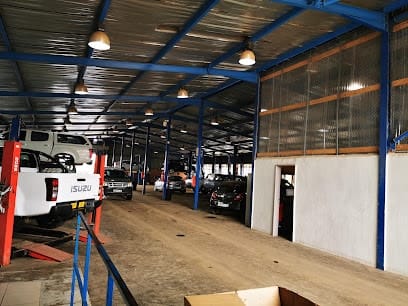
Meyers Motors Workshop is a Vehicle repair shop establishment in Mthatha, Eastern Cape, South Africa
Mthatha
Eastern Cape
South Africa
Sorry, no records were found. Please adjust your search criteria and try again.
Sorry, unable to load the Maps API.
Vehicle repair shop services in Mthatha, Eastern Cape
In Mthatha, Eastern Cape, vehicle repair shops provide a range of essential services that keep cars, bakkies and small commercial vehicles roadworthy in a region characterised by varied road surfaces and seasonal weather. Shops typically operate as neighbourhood hubs where diagnostic checks, preventative maintenance and more extensive repairs are carried out with a practical, hands‑on approach. Local customers commonly value clear communications, reasonable turnaround times and the ability to handle both routine servicing and in‑depth mechanical work under one roof.
Core offerings usually begin with routine servicing. This includes oil and filter changes, checks on fluid levels (coolant, brake fluid, power steering fluid) and basic inspections of brakes, tyres and lights. Regular servicing helps to prevent unexpected breakdowns and can extend engine life. Many workshops also offer scheduled maintenance plans tailored to the vehicle’s age, mileage and the customer’s driving patterns. In Mthatha, where long drives and rural routes may place additional demands on engines and cooling systems, attentive checks on belts, hoses and the cooling system are common components of a standard service.
Mechanical repairs cover components essential to safe operation. Customers may encounter services for braking systems (pads, discs, fluid refreshes), steering and suspension (shock absorbers, bushes, alignments), exhaust repairs, and transmissions. Engine diagnostics are frequently performed using basic scanning tools to identify fault codes and guide repairs. Where needed, more extensive work can include gasket replacements, fuel system servicing, and mechanical overhauls. Mechanic teams typically provide explanations of issues, outline the recommended remedies, and present practical options aligned with the vehicle’s value and the customer’s priorities.
Electrical and air conditioning work is a common request in the region. This encompasses battery testing and replacements, alternators, starters, and charging systems, as well as wiring faults, lighting repairs and air conditioning recharges. For comfort and safety, workshops often check climate controls, cabin filters and refrigerant levels, ensuring systems perform efficiently in hot Eastern Cape summers.
Body and paint services are available at many garages, ranging from minor dent repair and panel beating to more substantial panel work after accidents. In Mthatha, shops frequently advise on cosmetic repairs alongside mechanical corrections, aiming to restore both function and appearance. Where paintwork is required, the emphasis is usually on colour matching and durable finishes suitable for local climates and road conditions.
Practical considerations shape the customer experience. Estimates are typically provided after an initial assessment, with explanations of necessary work, costs, and potential alternatives. Many customers expect a straightforward diagnostic process, transparent pricing, and a clear agreement on parts quality and labour charges. Towing services and temporary loan vehicles may be offered or coordinated with nearby partners, particularly after a breakdown or collision. Warranties, where offered, tend to focus on workmanship and specific components rather than the entire job, and shop personnel often guide clients through insurance procedures if claims are involved.
Turnaround times can vary based on the workshop’s workload, the availability of parts, and whether complex repairs are required. In Mthatha, it is common for shops to provide practical timelines and advise on factors that might affect delays, such as supply chain fluctuations or weather-related access issues to service bays. Customers are encouraged to ask about road‑testing procedures after completion and to confirm that all safety systems, including brakes and lights, meet local regulatory expectations before collecting a vehicle.


