
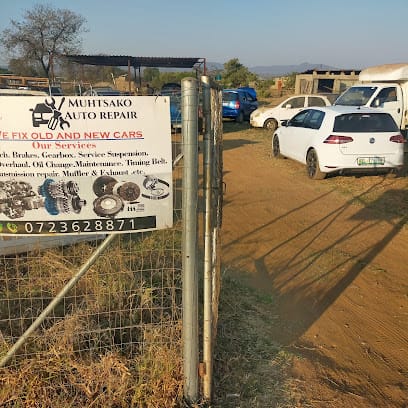
MUHTSAKO AUTO REPAIRS is a Vehicle Repair establishment in Vuwani, Mpumalanga, South Africa
Vuwani
Mpumalanga
South Africa
Sorry, no records were found. Please adjust your search criteria and try again.
Sorry, unable to load the Maps API.
Vehicle Repair Services in Vuwani, Mpumalanga
In Vuwani, Mpumalanga, vehicle repair services form a practical hub for keeping cars and light commercial vehicles roadworthy. The town sits within a network of rural and peri-urban routes, where reliability is essential for daily commutes, school runs, and local business. The typical repair landscape combines local workshops with mobile assistance, offering a spectrum of maintenance and repair work that aims to minimise downtime and restore vehicles to safe, dependable operation.
Motorists can expect a range of core services that cover preventative maintenance as well as needed repairs. Regular servicing typically includes oil and filter changes, system inspections, brake checks, tyre assessment, and fluid top-ups. Vehicle diagnostics have become a common feature, employing basic diagnostic tools to identify trouble codes and sensor readings that point to faults in areas such as the engine, fuel system, ignition, and emissions. Where a more complex fault is suspected, technicians may advise on further testing or component replacement before presenting a formal estimate.
Brake systems are a priority for on‑site or workshop work, with technicians inspecting pads, discs, callipers, and hydraulic lines. Tyre services often involve puncture repairs, rotation, balancing, and alignment. Wheel and suspension components, including shocks, springs, and steering linkages, are inspected for wear and noise, helping to determine if replacements are necessary or if more extensive suspension work is warranted. Air conditioning and climate control systems are also commonly serviced to maintain comfort and defogging efficiency, particularly in hotter months.
Electrics and electronics form another important area of repair activity. Battery health, charging systems, lighting, and sensor faults can affect performance and safety. In many workshops, technicians offer a practical approach to electrical faults, starting with a thorough visual inspection and a step‑by‑step diagnostic process to locate the underlying cause. Routine maintenance tasks may extend to cooling systems, belts and hoses, and exhaust components, all of which contribute to fuel efficiency, reliability, and environmental compliance.
- Scheduled servicing and inspections
- Brake and tyre work
- Engine diagnostics and fault‑finding
- Suspension, steering, and alignment checks
- Air conditioning and climate control servicing
- Electrical and battery services
For customers in Vuwani, practical considerations influence how vehicle repairs are planned and carried out. Local workshops may operate with flexible intake, offering same‑day or next‑day diagnostic and repair assessments, subject to parts availability. It is common to be provided with an initial diagnosis and a written estimate that outlines the proposed work, required parts, and anticipated labour time. Where possible, technicians explain the likely cause of a fault, the recommended course of action, and any potential alternatives—such as temporary fixes or staged repairs—to manage costs and downtime.
Reliability of parts supply matters in a rural setting, so some repairs may be completed in stages if certain components are not immediately obtainable. Customers should expect clear communication about lead times and any potential disruptions, especially for parts that must be ordered from outside the local area. Warranties and aftercare vary between garages, but several shops provide assurances on workmanship and offer follow‑up checks within a reasonable period after a repair. Vehicle owners are advised to keep receipts and notes of all work performed, as these documents support maintenance history and future service planning.
Finally, practical preparation can ease the repair experience. Vehicle owners should present a clear description of the issue, provide relevant maintenance history, and consider removing personal items from the cabin. Arranging for transport or a shuttle when a vehicle is in for longer work can help reduce disruption, while confirming where the vehicle will be serviced — whether at a roadside workshop, a dedicated service bay, or a mobility‑friendly facility — helps set expectations for the visit.