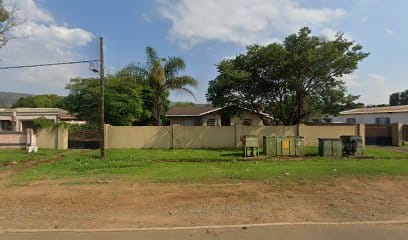
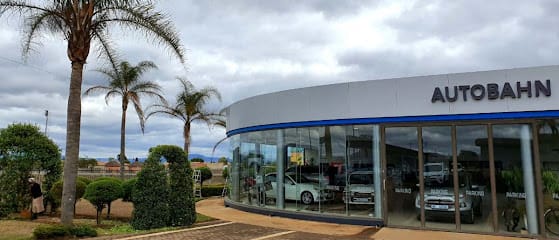
Traffic Department Paulpietersburg is a Car inspection station establishment in Paulpietersburg, KwaZulu-Natal, South Africa
Paulpietersburg
KwaZulu-Natal
South Africa

Sorry, no records were found. Please adjust your search criteria and try again.
Sorry, unable to load the Maps API.
Car Inspection Station Services in Paulpietersburg, KwaZulu-Natal
In Paulpietersburg, KwaZulu-Natal, car inspection stations operate as essential facilities for vehicle safety, compliance, and ongoing roadworthiness. These centres serve a diverse mix of vehicles, ranging from family cars to light commercials, and they cater to motorists seeking professional assessments, routine checks, and practical repairs. The emphasis is on clear diagnostics, transparent reporting, and timely turnaround to minimise inconvenience for vehicle owners and operators in the surrounding area.
Typical services offered at a car inspection station in this region include comprehensive safety inspections, emissions testing where required, and documentation validation for regulatory purposes. A standard inspection often covers braking performance, steering and suspension play, tyre condition and tread depth, lighting and signaling, windscreen integrity, seat belts, and exhaust system status. Inspections aim to identify defects that could compromise safety or result in non-compliance with local road traffic regulations.
In addition to routine safety checks, many stations provide diagnostic evaluations using modern equipment to pinpoint mechanical or electrical issues. Technicians may perform computer-based fault code reading, electrical system tests, battery and charging system assessments, and inspections of essential components such as the catalytic converter, exhaust system, and emission indicators. Where necessary, technicians offer practical advice on necessary repairs or adjustments, along with an estimate of likely costs and the expected impact on vehicle safety and performance.
Vehicle inspections often include an assessment of documentation and records. Customers can expect confirmation that vehicle registration, roadworthy status, and relevant certificates are in order, or guidance on what documentation is required to obtain compliance. This aspect of the service helps motorists prepare for renewals, transfers of ownership, or regulatory checks conducted at other authorities or agencies.
Practical considerations for travellers and local residents include the need to book an appointment or arrive within stated business hours. Peak periods may see shorter waiting times if inspections are scheduled in advance, whereas walk-ins can experience delays during busy days. Customers should have ready access to vehicle registration documents, proof of insurance where applicable, and any prior service or repair records that demonstrate the vehicle’s maintenance history. It is also prudent to allow extra time if repairs or adjustments are recommended as part of the inspection process.
Facilities at car inspection stations typically prioritise safety, cleanliness, and efficient workflow. Waiting areas or customer information points may provide guidance on the status of a vehicle, expected turnaround times, and a clear explanation of any observed defects. Technicians often discuss findings in straightforward terms, outlining which items require immediate attention, which can be scheduled for later service, and what standards or regulations influence the recommendations. The ultimate objective is to ensure that vehicles meet the minimum safety and regulatory requirements while supporting owners in planning necessary maintenance.
For those operating light commercial vehicles or vehicles used for business purposes, the inspection process may emphasise load-bearing components, stability, and operation of warning devices that are critical for daily duties. While the exact scope of inspections can vary, the core aim remains the same: to confirm that a vehicle is roadworthy and compliant, enabling secure transportation for passengers and goods alike. In Paulpietersburg, this collaborative, practical approach helps sustain mobility across the region while aligning with broader South African road safety standards.